Spain & horizontal property
Running a comunidad de propietarios: roles, votes, quorums and the meetings that actually work
A practical guide to running a Spanish community of owners — who does what, how AGMs are convened, the votes that bind, and the operational habits that keep a block out of court.
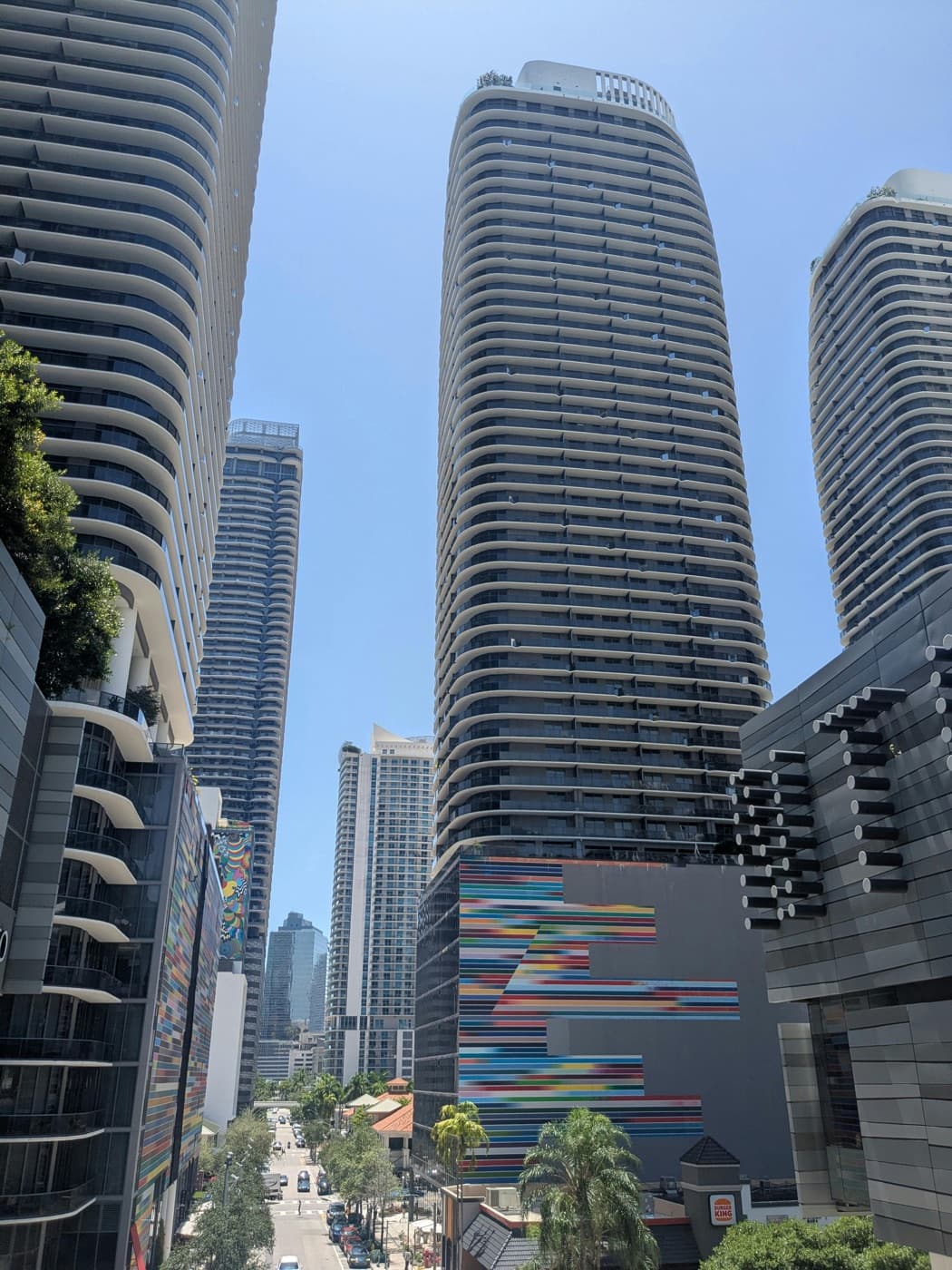
A comunidad de propietarios is the legal collective that owns the shared parts of a Spanish residential building — the lobby, lift, roof, garden, pool, parking deck — and which every individual apartment owner automatically belongs to. You do not opt in. You do not opt out. The moment you sign the escritura on an apartment, you are a member, and you remain a member until you sell.
What that membership means in day-to-day life is much less obvious than it sounds. Communities range from a five-unit block in Granada that holds one informal meeting a year, to a 300-unit coastal complex in Marbella with a salaried administrador, two security firms and a paid-up reserve in the seven figures. The law that binds them is the same — Ley 49/1960 de Propiedad Horizontal, covered in our Horizontal Property Law guide — but the operational reality is wildly different.
This article is the operational companion to that legal one. It describes the roles, the rhythms and the practical habits that separate a community of owners from a perpetual argument.
Who actually runs a community of owners
Spanish law is sparse about organisational structure. Article 13 of the LPH lists the órganos de gobierno: the AGM itself, the president, optionally a vice-president, optionally an administrator, optionally a secretary. In practice every community of more than ten units appoints all of these. Anything smaller will often combine the secretary and administrator into one paid role.
The president
The president must always be an owner. They are the community’s legal representative — they sign on its behalf, they convene the AGM, and they are the named party in any litigation. The role rotates annually unless the statutes specify otherwise, and refusal is, in practice, not an option. The Spanish courts have repeatedly held that the duty is communal and cannot be permanently vacated.
Most blocks rotate by flat number, by floor, or by lot drawn at the AGM. A handful of communities elect for longer terms — three or even five years — but only where the statutes were registered with that arrangement and the AGM ratifies it.
The administrator (administrador de fincas)
In communities larger than about twenty units, the president almost always works through a hired administrador de fincas. The administrator is paid by the community, not by individual owners. They prepare the budget, run the accounts, send the cuotas invoices, handle defaulters, schedule contractors, draft AGM agendas, and produce the minutes.
The administrator is typically colegiado — a member of the regional college of property administrators — and carries professional indemnity. A non-colegiado administrator is legal but uncommon outside the smallest blocks. Most agencies will quote a flat monthly fee per unit, with extras for major projects.
The secretary
The secretary signs the acta (minutes) alongside the president and keeps the official book. In most communities the role is held by the administrator under a combined contract. The secretary’s signature is what makes the minutes binding for the silent-assent rule that catches owners who do not object within 30 days.
The annual meeting — how to convene one that holds up in court
Every community must hold at least one junta ordinaria a year (Article 16). It is the moment when the budget is approved, the administrator’s account is examined, the president is rotated, and any 3/5-majority decisions on energy works or tourist rentals are taken. Conducting it sloppily is the single most common reason community decisions get struck down on appeal.
- Six days’ written notice, with agenda. The notice must be in writing — a building announcement board counts only if every owner can be reached at it, which is almost never. Email is accepted when the owner has expressly consented to it in writing. WhatsApp is not statutorily valid; many minutes are challenged on this point.
- Convene first and second call simultaneously. Standard practice is to call the meeting for, say, 19:00 first call, and 19:30 second call. If the first call fails to reach quorum (majority of owners and quotas), the second call proceeds with no minimum.
- Stick to the agenda. Items not on the agenda generally cannot be voted on. Ruegos y preguntas at the end is for discussion only — nothing decided there is binding.
- Record attendance and quotas. The minutes must record both how many owners were present and what proportion of total quotas they represented. Failing to capture this is grounds for nullity on appeal.
- Circulate the minutes within 10 days. This is the most-missed step. The 30-day silent-assent clock for higher-threshold votes starts the moment owners are deemed to have received the minutes, not the moment the meeting ends. Late minutes mean late clocks.
Service charges and the participation quota
The cuota de comunidad (service charge) is the monthly contribution each owner pays to fund the community’s expenses. Unless the statutes specify a different rule, it is calculated by multiplying the annual approved budget by each apartment’s coeficiente de participación — the percentage assigned in the original escritura de división horizontal.
The participation quota is, in essence, your share of the building. A ground-floor flat with a private garden usually has a higher quota than the equivalent flat upstairs because it benefits more from the common elements. The quotas cannot easily be changed — Article 5 of the LPH requires unanimity for any rebalancing — which is why a 1962 calculation can still be running your block’s finances today.
Special assessments (derramas)
When extraordinary works exceed what the reserve can cover, the AGM may approve a derrama — a one-off special assessment charged to each owner in proportion to their participation quota. Derramas are governed by the same voting majority that authorised the works. A derrama for routine maintenance needs simple majority; a derrama for a major renovation may need 3/5 if the renovation itself does.
What separates well-run communities from chaotic ones
Across the blocks we work with, four operational habits consistently distinguish the communities that residents speak well of from the ones that bleed presidents:
- Minutes within ten days, every time. Slow minutes are the single biggest cause of disputed votes. Fast minutes start the silent-assent clock and remove the temptation for owners to litigate later.
- An open ledger. Owners who can see the bank balance, the supplier invoices and the unpaid quotas in real time complain less. Opacity invites suspicion; transparency disarms it.
- A real reserve fund. Article 9.1.f requires 10% of the annual budget in reserve. The communities that actually maintain it never need an emergency derrama, which means their AGMs are about plans, not panics.
- Multilingual notices. Coastal communities have owners who speak Spanish, English, French, German and Dutch as their first language. Posting notices only in Spanish is legal but isolates half the building. Translating is now cheap and quick.
Built around the Spanish comunidad model — multilingual junta notices, proxy collection, reserve calculator, and live ledger access for every owner.
See how Habita handles AGM notices, proxies and reserve trackingFrequently asked questions
What is a comunidad de propietarios?+
A comunidad de propietarios is the legal collective formed by all owners of apartments inside a Spanish residential building. It owns the shared parts of the building (lobby, lift, roof, garden, pool, parking) on behalf of its members, who are obliged to contribute to its expenses in proportion to their participation quota.
Do I have to attend the annual meeting?+
No, but you should either attend or grant a proxy. Decisions at second call require no minimum attendance, which means a small group of owners can validly take decisions for the whole community. Granting a proxy to a trusted neighbour preserves your vote without requiring your presence.
Who pays the administrator?+
The community of owners pays the administrator collectively. The fee is part of the annual budget and is funded by service charges from each owner in proportion to their participation quota.
Can the president refuse to convene a meeting?+
No. Article 16 obliges the president to convene at least one ordinary meeting per year, and to convene an extraordinary meeting when requested by 25% of owners or owners representing 25% of quotas. Refusing is grounds for replacement and, in extreme cases, judicial appointment of a substitute president.
How long does the silent-assent rule apply for?+
30 days from the date the absent owner is deemed to have received the minutes. After 30 days without a written objection, they are presumed to have voted with the majority of those present.
Habita
The community platform residents and managers actually use.
One app for issues, AGMs, payments, documents and translated communication, priced for the smallest block.
See pricingRelated guides
Spain & horizontal property
The Spanish Horizontal Property Law explained: a 2026 guide for owners, presidents and managers
A clear, current read of Spain’s Ley de Propiedad Horizontal — what it requires of presidents, owners and managers in 2026, and the parts most communities get wrong.
Spain & horizontal property
Recovering unpaid community fees in Spain: the monitorio procedure, step by step
How a Spanish community recovers unpaid quotas — from certified demand to monitorio and, ultimately, enforcement against the property itself.